We recognise that each person and community is unique and may identify their lived experience using differing language and terminology from what is used throughout this resource. Every effort has been made to ensure all key groups impacted by suicide have been included in this resource. While specific risk factors, challenges and considerations have been outlined under each priority population, these may also apply across populations.
Some population groups are at higher risk of suicide, with unique risk factors and support needs. This section outlines practical considerations for aftercare services to provide personalised care to people within these communities and groups.
Universal aftercare aims to deliver improved outcomes for all people experiencing suicidal crisis, with a focus on priority populations at increased risk of suicide.
More about:
Guiding principles
While specific risk factors, challenges and considerations have been outlined for each priority population, these may also apply across populations. The key components for supporting priority populations to access universal aftercare include:
- providing inclusive and responsive aftercare services, regardless of gender, sexuality, age, religion, ethnicity, impairment or disability, and culture
- an open-minded aftercare workforce, who are aware of unconscious biases, and create a safe space, free of prejudice and discrimination
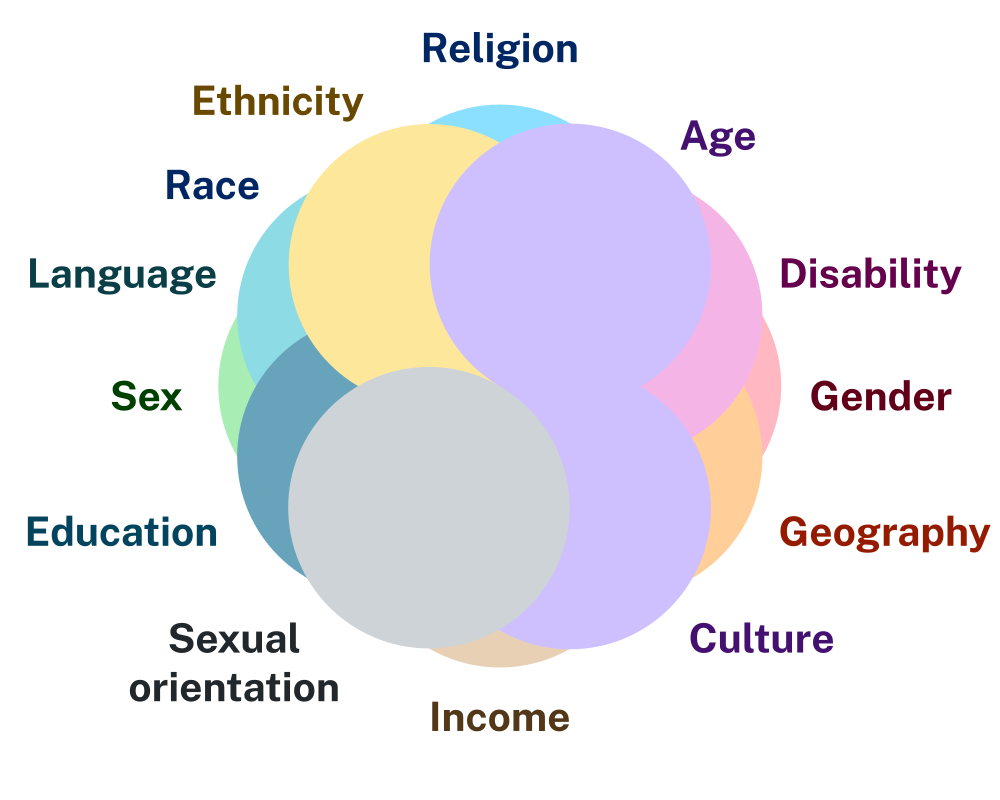
- understanding the role of intersectionality, and how this influences the experiences of a person
- recognition of consumers as people, with unique experiences, characteristics, preferences and strengths
- not making assumptions about people based on the community group they may identify with
- adjusting service delivery to meet the needs of the person.
We acknowledge the resilience and strength of priority populations, which are demonstrated through strong community bonds, cultural preservation and adaptive strategies developed in the face of systemic challenges, discrimination and prejudice.
Intersectionality
Intersectionality is a term used to describe the different ways a person understands themself, is perceived by others and is treated in society due to their identity.1
The diagram below shows the range of factors that can shape and influence how a person understands their own experience of the world.
Recognise this when supporting consumers in aftercare to understand the intersecting ways stigma and discrimination might impact an individual’s mental health.
References
- Understanding Intersectionality. Melbourne: Victorian Government; 2021 [cited 29 Nov 2024].