Kidneys are an important part of the body's natural filtration system.
Most people are born with 2 kidneys that are made up of millions of tiny filters called nephrons. Each kidney is about the size of a fist, bean shaped and located under the rib cage on either side of the spine.
The kidneys perform a range of functions to support overall good health:
- Filter the blood to remove excess fluid and waste products, resulting in the production of urine (pee)
- Control blood pressure
- Make vitamin D, which is vitally important for strong, healthy bones
- Make erythropoietin, a hormone that helps bone marrow make red blood cells to carry oxygen around the body
- Control electrolyte levels (such as calcium, phosphorus and potassium)
- Get rid of peptide hormones such as insulin

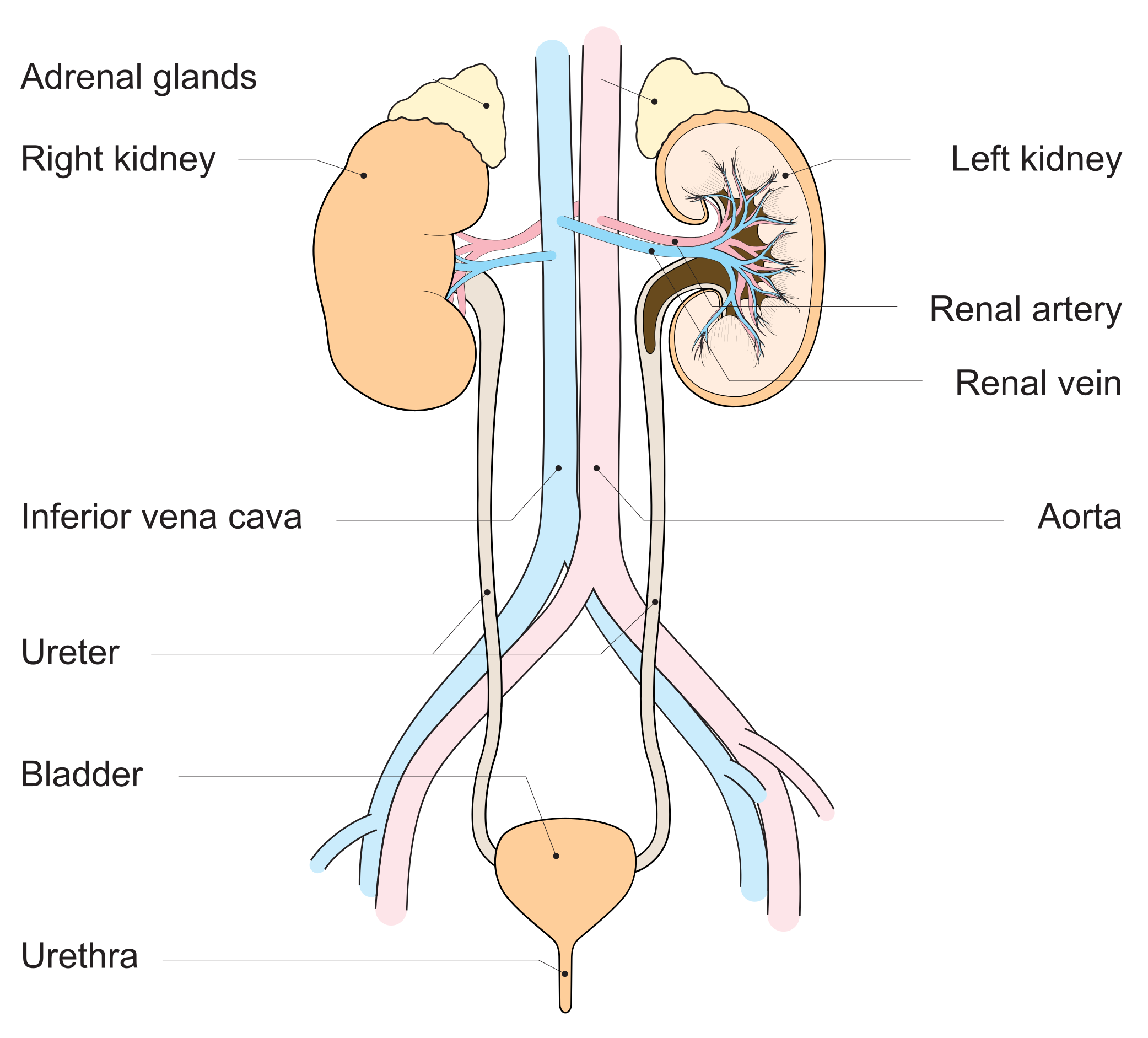
When kidneys don’t work properly, waste and fluid build up in the body, increasing the risk of serious problems such as heart disease, bone disease and kidney failure.
In most chronic kidney disease, the kidneys get smaller as the disease progresses. In some cases, such as polycystic and diabetic kidney disease, the opposite is true and the kidneys get bigger.
Resources
Know your kidneys
This web resource includes a short video that explains how your kidneys work, how to keep them healthy and what the risk factors are for kidney disease.
Source: Kidney Health Australia