Strengthening
consumer voices
Meaningful collaboration with patients, carers and communities allows us to plan, co-design and implement healthcare innovations that meet a variety of individual, community and cultural needs.
Developing resources for and with consumers to inform suicide care
Clinicians and consumers collaborated to translate a clinical pathway into a brochure for consumers, explaining the key steps involved in suicide care.
- Provides guidance for consumers, families and carers who are accessing health services for suicidal thoughts or behaviours.
- Enables clinicians to explain the care pathway and how to navigate each step.
- Involved consumers to ensure the brochure is clear, relatable and user-friendly.
- Developed by our Mental Health Network in collaboration with Illawarra Shoalhaven and Mid North Coast Local Health Districts, as part of the statewide Zero Suicides in Care Initiative.

Diverse groups have their say on urgent care services
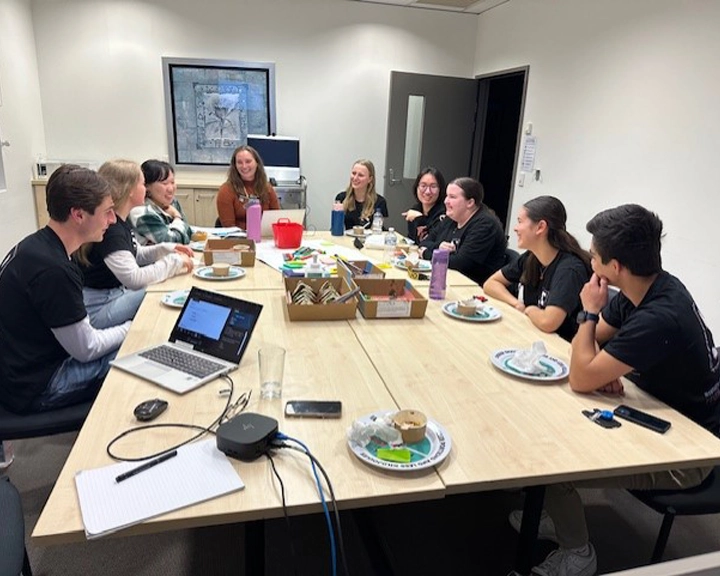
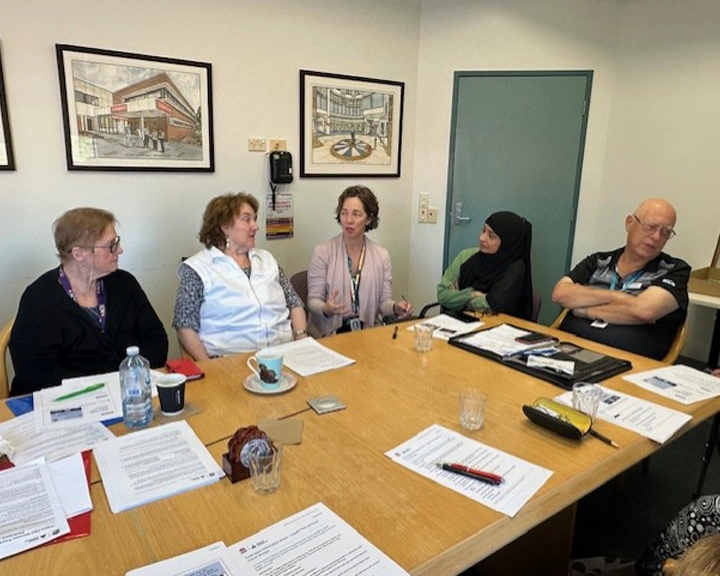
We facilitated 60 focus groups with more than 270 community members and healthcare workers to understand how to improve equitable access to urgent care services. The discussion focused on priority populations, including:
- Aboriginal and Torres Strait Islander people
- Aging people
- People from cultural and linguistically diverse (CALD) backgrounds
- People living with a disability
- People with chronic and complex illness
- Lesbian, gay, bisexual, transgender, queer, and intersex (LGBTQI+) people
- People living with a mental health condition
- Migrants and refugees
- Women in pregnancy and early motherhood, and their children
- People living in rural and remote areas
- Young people and children
Outcomes from these sessions will inform future planning for urgent care services.
New toolkit informs person-centred rehabilitation planning
The Person-centred Rehabilitation Toolkit supports rehabilitation staff to integrate best practice rehabilitation planning into everyday clinical practice.

- Supports the delivery of value-based, person-centred and goal-directed care.
- Ensures rehabilitation plans are respectful of, and responsive to, the person’s preferences, needs and values.
- Supports the person to recognise and develop their own strengths and abilities.
- Digital format enables quick access, anytime, anywhere.
Collaborating with consumers in the development of clinical guidance and models of care
We created new clinical guidance and models of care in collaboration with consumers, using consultation and co-design processes.
- A community jury approach was used to establish community-informed priorities and values for the Rehabilitation Model of Care (in development) and Remote Patient Monitoring Toolkit.
- Consumer reference groups joined clinicians (including primary care) to develop our Menopause Care Clinician Toolkit.
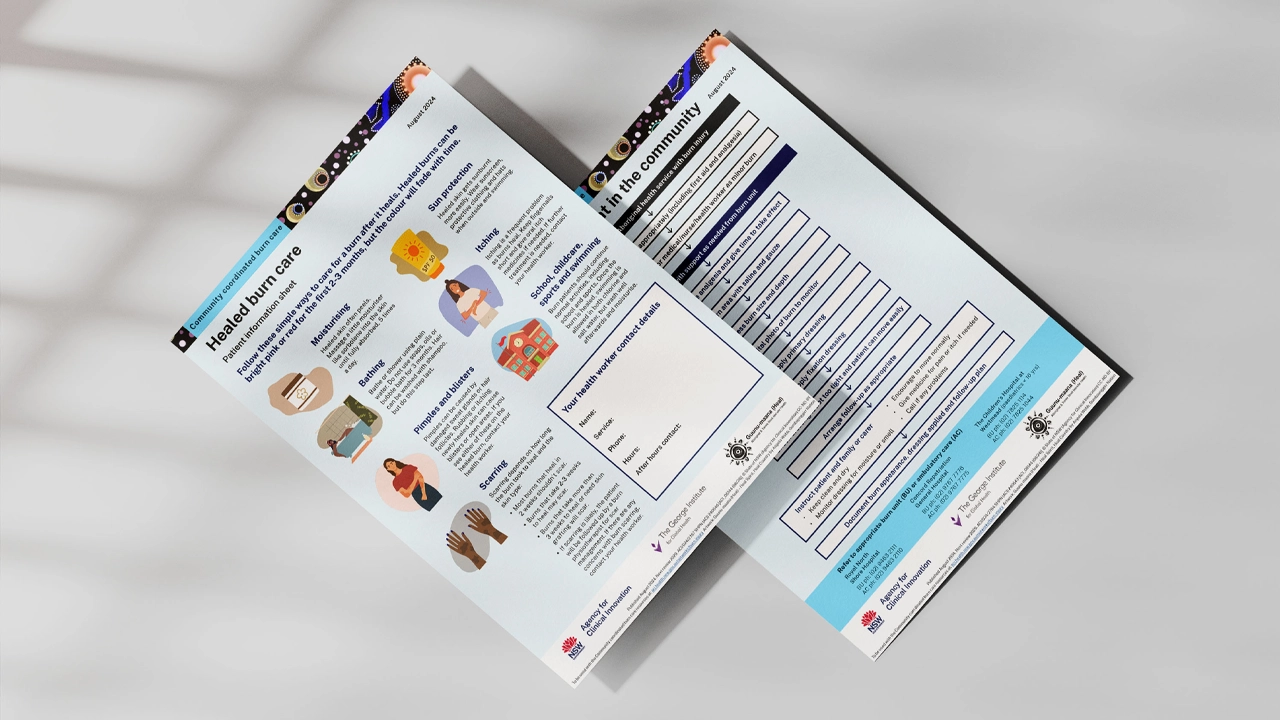
- We partnered with Guunu-maana (Heal) at The George Institute for Global Health to develop the Community Coordinated Burn Care Toolkit, which includes patient information resources.
Building capability in co-design
We held two virtual co-design capability building workshops for Consumer Engagement Leads and Redesign Leads across all NSW local health districts and specialty health networks.
Using a train-the-trainer model, this workshop strengthened co-design skills while providing staff with the resources to facilitate their own workshops for local staff.
Explore our updated Co-design Toolkit.