Approaches and interventions

Effective communication is a fundamental part of supporting enablement and delivering person-centred care.

Health literacy is how well individuals can access, understand and apply health information, so they can make good decisions about their health.
Culturally responsive practice
When healthcare is culturally responsive, people are more confident and motivated to access health services

Shared decision making is a process where the clinician and consumer (and their family, partner or carer) make health decisions together.

Health coaching helps people change their behaviour, adopt a healthy lifestyle and self-manage their chronic conditions and medications.

Motivational interviewing is a communication technique that encourages behaviour change in an atmosphere of acceptance and compassion.

Care coordination helps consumers, carers and service providers work together to improve health outcomes for those at greatest risk.

Care navigation is usually provided as part of the care coordination process and helps people navigate their way through the health system.
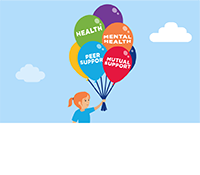
Peer support is organised support provided by people with similar health conditions and experiences managing their health.

Patient reported measures help people give direct and timely feedback to healthcare providers about what matters to them.
Technology has revolutionised the way we work, changed the way people manage their health and improved access to healthcare services.